
Is It Harder to Lose Weight as You Get Older?
Yes, losing weight does get harder as you age — but age alone isn’t the whole story. After 40, several things shift at once: your metabolism, your hormones, your sleep, your stress levels, and how much you move each day. The good news is that none of this makes weight loss impossible. It just means the old strategies need an update. In this article, we’ll break down exactly why it happens and, more importantly, what actually works to fix it.

Introduction
If you’ve noticed the scale creeping up even though nothing in your routine has changed, you’re not imagining it — and you’re definitely not alone. Countless women and men over 40 find that the diet and exercise habits that once kept them lean simply stop working the same way. It’s frustrating, and it’s easy to blame yourself. But this isn’t about willpower. It’s about biology. In this article, we’ll walk through the real, science-backed reasons weight loss slows down with age, and the practical solutions that actually make a difference — no crash diets required.
Why Does Weight Loss Become Harder After 40?
Weight gain after 40 isn’t random. It’s the result of several overlapping changes happening in your body at the same time. Understanding them is the first step to working with your body instead of against it.
Your metabolism naturally slows down
Starting in your 30s and continuing through your 40s and beyond, your resting energy expenditure gradually declines. A major reason is the slow, ongoing loss of muscle mass known as sarcopenia — and muscle is metabolically active tissue, meaning it burns more calories at rest than fat does. Less muscle means fewer calories burned even when you’re doing nothing at all, which explains why the same eating habits that once maintained your weight can now cause slow, steady gain.
Hormonal changes affect fat storage
For women, perimenopause and menopause bring a significant drop in estrogen, which changes where the body prefers to store fat — shifting it toward the abdomen rather than the hips and thighs. For men, testosterone declines gradually with age, which contributes to muscle loss and a slower metabolic rate. In both cases, the result is similar: more abdominal fat and a harder time preserving lean muscle, even without major changes to diet.
Sleep becomes more important
Sleep quality tends to decline with age, and poor sleep doesn’t just leave you tired — it disrupts the hormones that regulate hunger, increasing appetite and cravings for sugary, high-calorie foods. It also impairs recovery from exercise, making strength training less effective and workouts feel harder than they should.
Stress increases cortisol
Chronic stress — from work, family, or life in general — keeps cortisol levels elevated for longer periods. Elevated cortisol encourages fat storage, particularly around the midsection, and often drives emotional eating as a coping mechanism, creating a cycle that’s hard to break without addressing stress directly.
Daily movement often decreases
Between demanding careers and family responsibilities, daily incidental movement quietly disappears. Less walking, less standing, less spontaneous activity throughout the day adds up to hundreds fewer calories burned — even if you still make it to the gym a few times a week.
Common Myths About Losing Weight After 40
Myth #1: My metabolism is completely broken
It’s not broken — it’s just slower than it used to be, largely due to muscle loss and hormonal shifts. This is reversible to a meaningful degree, especially with strength training and adequate protein.
Myth #2: Cardio is enough
Cardio burns calories in the moment, but it does little to preserve or build the muscle mass that keeps your metabolism running efficiently. Strength training is what protects your metabolic rate long-term.
Myth #3: You have to eat very little
A very aggressive calorie deficit backfires after 40: it accelerates muscle loss, disrupts hormones further, and often triggers intense hunger that leads to overeating later. A moderate, sustainable deficit works better and lasts longer.
The Most Effective Ways to Lose Weight After 40
Prioritize protein
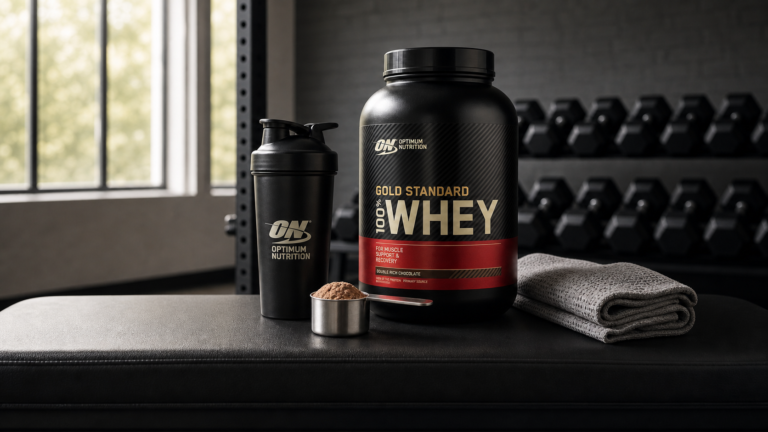
Protein keeps you full longer than carbs or fat, reducing overall hunger and snacking. Just as importantly, adequate protein intake helps preserve muscle mass during weight loss, which protects your metabolism instead of slowing it down further.
Strength training is essential
Lifting weights two to three times a week builds and maintains muscle, which directly increases the number of calories you burn at rest. It also strengthens bones, which is especially important as bone density naturally declines with age — making strength training one of the highest-impact habits you can build after 40.
Walk more every day
Walking is simple, low-impact, and highly effective. Aiming for a daily step goal increases your NEAT (non-exercise activity thermogenesis) — the calories burned through everyday movement — without adding stress to your joints or requiring extra recovery time.
Improve sleep quality
A consistent sleep routine, regular bed and wake times, and a cool, dark, quiet environment all support better sleep. Better sleep means better hunger regulation, fewer cravings, and improved recovery from workouts.
Reduce stress
Simple daily habits — deep breathing exercises, a few minutes of meditation, or a short walk outside — help bring cortisol levels down over time, reducing both abdominal fat storage and emotional eating.
Avoid highly processed foods
Ultra-processed foods and sugary drinks are calorie-dense, low in fiber, and easy to overeat. Prioritizing whole foods rich in fiber keeps you fuller for longer and supports steadier blood sugar and energy levels throughout the day.
Track progress beyond the scale
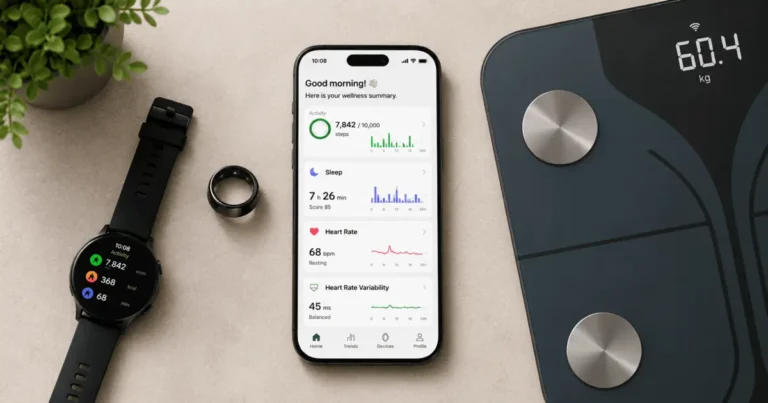
The scale doesn’t tell the whole story, especially when you’re building muscle. Track your waist circumference, take progress photos, notice how your clothes fit, and pay attention to your energy levels — these often show progress well before the number on the scale moves.
When Weight Loss Isn’t Working
Medical conditions to discuss with your doctor
Sometimes weight loss stalls despite consistent effort because of an underlying medical issue. Conditions like hypothyroidism, insulin resistance, PCOS, and menopause-related hormonal shifts can all make weight loss significantly harder. If you’ve been consistent for several months without any progress, it’s worth discussing these possibilities with your doctor.
Certain medications may affect weight
Some common medications — including certain antidepressants, corticosteroids, and blood pressure medications — can contribute to weight gain or make weight loss more difficult. Never stop or change a medication without medical advice, but it’s worth mentioning to your doctor if you suspect this might be a factor.
Sample One-Day Eating Routine After 40
Breakfast: Greek yogurt with berries, a spoonful of nuts, and a boiled egg for extra protein.
Lunch: Grilled chicken or salmon with a large mixed salad, olive oil, and a portion of whole grains like quinoa or brown rice.
Snack: A handful of almonds with an apple, or cottage cheese with cucumber slices.
Dinner: Baked fish or lean meat with roasted vegetables and a small portion of sweet potato.
This kind of balanced day is easy to repeat and adapt — it’s built around protein, fiber, and whole foods, without requiring complicated recipes or restrictive rules.
Frequently Asked Questions
Can you lose weight after 50? Yes. The same principles apply — protein, strength training, sleep, and stress management — and many people successfully lose weight and build muscle well into their 50s, 60s, and beyond.
Is walking enough? Walking helps significantly, especially for daily calorie burn, but combining it with strength training gives better long-term results by preserving muscle mass.
Should I count calories? It’s not mandatory, but tracking food for a few weeks can help you understand your habits and portion sizes, especially if progress has stalled.
How much protein do I need? A common guideline is around 1.2 to 1.6 grams of protein per kilogram of body weight per day, though individual needs vary — a doctor or dietitian can help personalize this.
How long does it take? Sustainable weight loss after 40 is typically slower than in your 20s — expect gradual, steady progress over months rather than weeks, with consistency mattering more than speed.
Final Thoughts
Getting older doesn’t mean giving up on your goals. It means adjusting your approach to match what your body needs now: more protein, more strength training, better sleep, and less stress. Progress may be slower than it once was, but it’s still entirely achievable with patience and consistency. Small, sustainable habits, repeated over time, are what actually deliver lasting results.
Make It Easier With Meal Prep
Many people don’t fail at weight loss because they lack motivation — they fail because they don’t have time to prepare balanced meals consistently. This is exactly where meal prepping makes the biggest difference: it saves time during busy weeks, helps you control portions naturally, and makes it far easier to stay consistent with your nutrition, even on your busiest days.
Having the right containers on hand — portioned, microwave-safe, and easy to stack in the fridge — removes one of the biggest daily obstacles to eating well.