Best protein powder for beginners: a practical buying guide
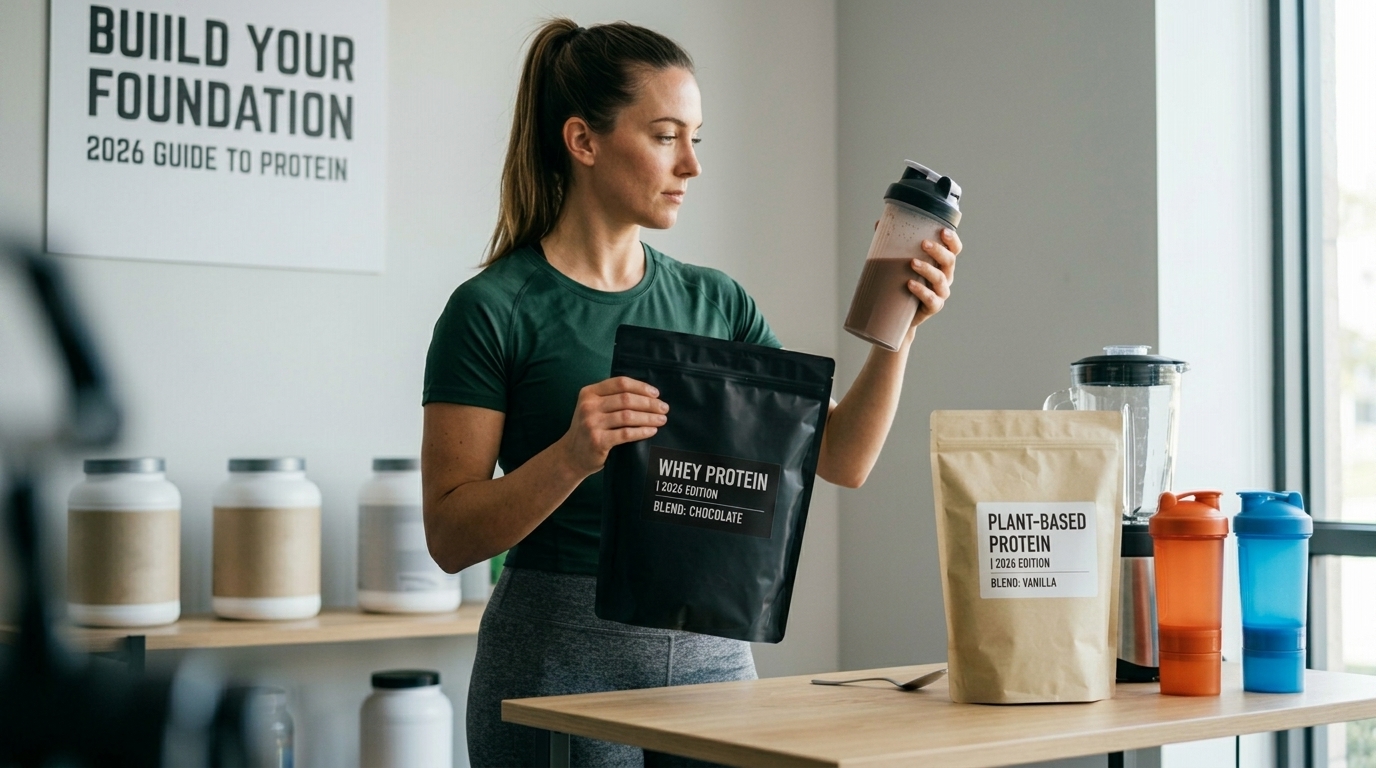
Choosing your first protein powder should not feel complicated. The best option is not automatically the most expensive tub or the one with the biggest claims. It is a product that fits your diet, digestion, budget, and daily protein needs.
Protein powder is a convenient food supplement. It can help when meals do not provide enough protein, but it is not required for building muscle or improving fitness. Whole foods can still provide everything most people need.
Affiliate disclosure: This guide contains Amazon affiliate links. If you buy through one of these links, we may earn a commission at no extra cost to you. Product prices and availability can change.
In this guide
- Do you need protein powder?
- Main types of protein powder
- What to check before buying
- Beginner friendly options
- How to use protein powder
- Frequently asked questions
Do you need protein powder?
Not necessarily. Chicken, fish, eggs, dairy products, soy foods, beans, lentils, nuts, and seeds can all contribute to your daily protein intake. A powder is useful mainly because it is quick, portable, and easy to measure.
It may be helpful when you have little time to cook, follow a demanding training schedule, have a low appetite, or regularly finish the day below your protein target. It should fill a gap in your diet rather than replace balanced meals.
The NIH Office of Dietary Supplements explains that adequate protein supports muscle maintenance and recovery. It also notes that many active people can meet their needs through food and can use supplements when necessary.
The main types of protein powder
Whey concentrate
Whey concentrate is a common starting point. It usually costs less than whey isolate and provides all essential amino acids. It can also contain more lactose, carbohydrate, and fat, depending on the formula and flavor.
Choose it if you tolerate dairy well and want an affordable powder for shakes, oatmeal, or yogurt.
Whey isolate
Whey isolate is filtered more extensively, so it generally contains a higher proportion of protein and less lactose than concentrate. It often costs more. Lower lactose does not mean lactose free, and whey is still a milk product. Anyone with a milk allergy should avoid it unless a qualified clinician advises otherwise.
Casein
Casein is another complete milk protein, but it digests more slowly than whey. Some people like it in a thicker evening shake or pudding. There is no need to buy casein just because you train at night. Your total daily intake and the quality of your overall diet matter more than a specific powder schedule.
Plant based protein
Pea, soy, rice, and blended plant proteins are suitable for people who avoid dairy. Soy is a complete protein. Pea and rice are often combined to create a more balanced amino acid profile. Compare protein per serving because plant formulas vary widely in calories, texture, and taste.
Egg white protein
Egg white powder provides a complete protein without dairy. It can suit people who tolerate eggs but not milk. It is usually less common and may cost more than basic whey concentrate.
Mass gainer
A mass gainer combines protein with a large amount of carbohydrate and calories. It may be useful for someone who has difficulty eating enough to gain weight, but it is not a standard protein powder. Beginners should compare the serving size and calorie content carefully before buying one.
What to check before buying
Protein per serving
Many powders provide about 20 to 25 grams per serving, but that number is not a universal quality rule. Check how much powder is required to deliver the listed protein. A large scoop can make a product look more impressive without offering better value.
Calories and serving size
Match the calories to your goal. A simple whey or plant protein may fit someone who only needs a convenient protein source. A higher calorie formula may make more sense for a person trying to gain weight. Compare products using the same amount of protein rather than comparing scoop size alone.
Ingredients and allergens
Read the full label for milk, soy, egg, nuts, sweeteners, thickeners, and flavor ingredients. A long ingredient list does not automatically make a powder poor quality, but every ingredient should have a clear purpose. Stop using a product and seek medical advice if it causes signs of an allergic reaction.
Third party certification
Independent certification is especially important for tested athletes. Programs such as NSF Certified for Sport allow shoppers to search current product listings. Always verify the exact product and flavor because certification may not cover every item made by a brand.
Cost per serving
Prices change frequently, so calculate the current cost yourself. Divide the total price by the number of servings, then compare how much protein each serving provides. A smaller container is sensible for your first purchase because taste and digestion are personal.
Common beginner mistakes
- Buying a large tub before trying the flavor: Start small when possible.
- Ignoring allergens: Whey and casein come from milk, and many powders are made in facilities that process other allergens.
- Using shakes as complete meals: A basic protein shake usually lacks the fiber and variety found in a balanced meal.
- Assuming more protein is always better: Intake should match your body, activity, health, and total diet.
- Trusting the front label only: Read the nutrition facts, ingredients, serving size, and certification details.
Beginner friendly protein powder options
The options below cover different needs. They are not suitable for everyone, and product formulas can change. Check the current label before buying.
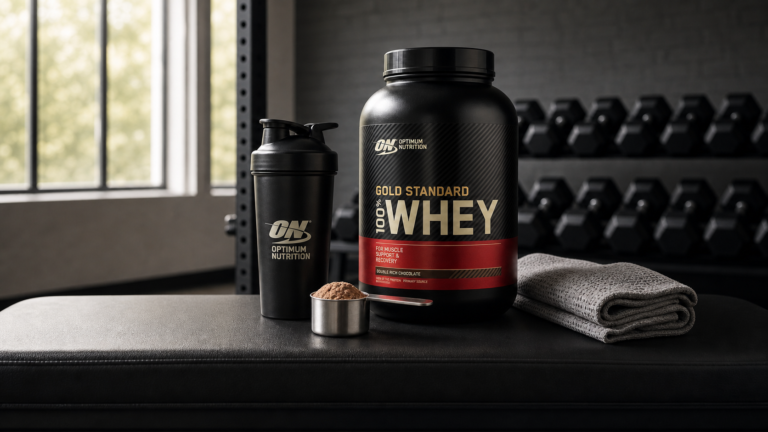
Optimum Nutrition Gold Standard 100% Whey
This whey blend provides 24 grams of protein per serving according to the manufacturer. It is widely available and comes in many flavors. It contains milk and may not suit people who are sensitive to lactose or certain sweeteners.
For a closer look at the product, read our Optimum Nutrition Gold Standard review.
MyProtein Impact Whey
This is a straightforward whey concentrate option that is often sold in several sizes and flavors. Protein and nutrition values can vary by flavor, so compare the exact label instead of relying on a single number.
Dymatize ISO100
ISO100 is a whey isolate and hydrolyzed whey product. It may contain less lactose than whey concentrate, but it is still made from milk. Check the current ingredients and allergen statement if digestion is a concern.
A plant based alternative
A pea, soy, or blended plant protein can be a practical choice for people who avoid dairy. Look for a useful amount of protein, a flavor you enjoy, and a current third party certification if you compete in tested sport.
If you are comparing dairy and vegan options, see our whey vs plant protein guide.
How to use protein powder
Start with one serving
Follow the label and begin with one serving to check taste and digestion. Mix it with water or milk, or add it to oatmeal, yogurt, or a smoothie. More scoops are not automatically better.
Use it to fill a real gap
Estimate how much protein you already get from meals before adding a shake. The right amount depends on body size, activity, goals, age, and health. The NIH notes that athletes may need more protein than sedentary adults, but individual needs still vary.
Timing is flexible
A shake after training is convenient, but there is no need to panic about a narrow timing window. Regular protein intake across the day and a consistent training program are more useful than chasing a perfect minute.
Store it correctly
Keep the tub tightly closed in a cool, dry place and follow the date and storage instructions on the package. Do not use powder that smells unusual, looks damp, has changed color, or shows signs of contamination. When safety is uncertain, discard it.
Frequently asked questions
Will protein powder make me bulky?
No single food creates large muscles by itself. Muscle gain requires suitable training, enough energy, adequate protein, and time. A shake simply contributes protein and calories to the daily diet.
Can I use protein powder without working out?
Yes, but you may not need it. It can be useful when appetite, convenience, or dietary restrictions make protein foods difficult to eat. A doctor or registered dietitian can provide personal guidance when a health condition affects nutrition.
Is whey isolate lactose free?
Not always. It usually contains less lactose than concentrate, but the exact amount varies. Whey isolate is also unsuitable for a person with a milk protein allergy unless a qualified medical professional says otherwise.
How long does protein powder last?
Follow the package date and storage directions. Heat, humidity, damaged packaging, and contamination can shorten its usable life. Do not assume that an expired powder is safe based only on how many months have passed.
Final recommendation
For most beginners who tolerate dairy, a small container of whey concentrate is a reasonable starting point. Whey isolate can be useful when lower lactose is preferred, while a plant based blend suits people who avoid milk. The best choice is one that fits your diet, tastes acceptable, and helps you meet a genuine protein need without replacing balanced meals.
Compare the current label, serving size, allergens, certification, and cost before buying. If you have kidney disease, a milk allergy, digestive symptoms, take medication, or need a medically restricted diet, speak with a qualified health professional before making a major change to your protein intake.