Glass meal prep containers: 7 tips to keep food fresh all week
Glass meal prep containers can make weekly cooking easier, but the container alone will not keep every meal fresh for seven days. Food quality also depends on cooling, portioning, moisture control, and safe refrigerator storage. This guide explains what glass containers do well, where they fall short, and how to use them properly.
Affiliate disclosure: This article contains an Amazon affiliate link. If you buy through it, we may earn a commission at no extra cost to you.
In this guide
- Why containers matter
- Advantages and drawbacks of glass
- Rubbermaid Brilliance overview
- Glass compared with plastic
- Seven practical storage tips
- Food safety basics
Why containers matter for meal prep
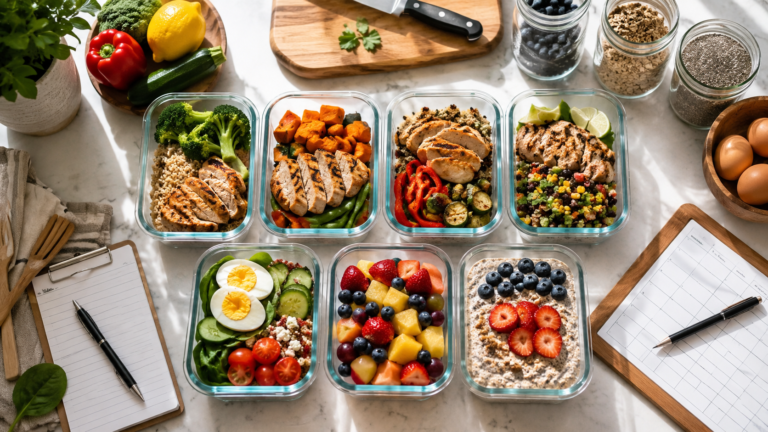
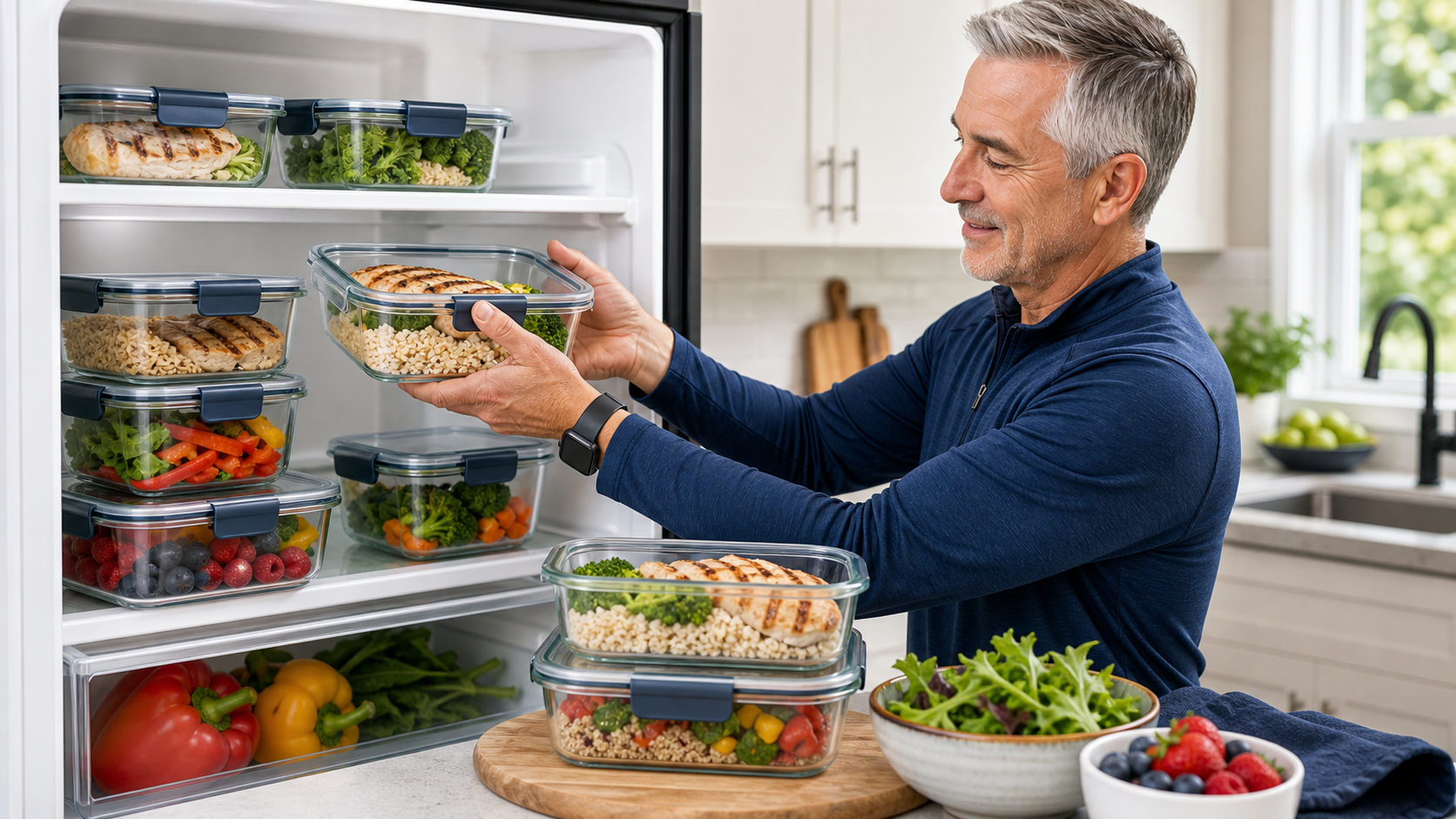
A good container protects food from spills, outside odors, and excess air. It also makes portions easier to organize. However, soggy vegetables or dry rice are not always signs of a bad container. Packing hot food too soon, mixing crisp and moist ingredients, or storing meals for too long can cause the same problems.
Before replacing your containers, check your routine. Let steam escape before sealing food, keep dressings separate, and refrigerate cooked meals promptly. For a complete weekly routine, read our guide on how to meal prep for a week.
What glass meal prep containers do well
- Resist stains and odors: Glass does not absorb tomato sauce, curry, or food smells as easily as many plastic containers.
- Make reheating convenient: Many glass bases can go from the refrigerator to the microwave. Always follow the temperature limits from the manufacturer.
- Make food easy to see: Clear containers help you find meals quickly and notice what should be eaten first.
- Feel sturdy: A quality glass base can last for years when it is handled carefully and the lid remains in good condition.
Where glass containers fall short
Glass is heavier than plastic and can break if dropped. A full set also costs more upfront, and the lids may still stain, warp, or wear out before the glass bases. People who carry several meals on public transport may prefer lightweight plastic or a mix of both materials.
Rubbermaid Brilliance glass containers
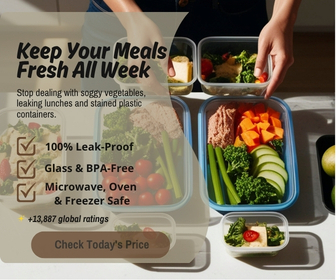
Rubbermaid Brilliance is one popular option for people who want glass bases with locking lids. According to the official Rubbermaid Brilliance product page, the line is designed with leak resistant seals and latches, and selected glass containers can be used for refrigerator storage and microwave reheating. Features can vary by set, so check the exact product description before using a base in the oven or freezer.
The main advantages are the clear design, secure lid, and stain resistant glass base. The main tradeoffs are weight, price, and the need to handle the containers carefully. This makes them a practical choice, not an automatic best choice for every household.
Glass compared with plastic for meal prep
| Feature | Glass | Plastic |
|---|---|---|
| Weight | Heavier | Lighter |
| Breakage risk | Can chip or break | Less likely to break |
| Stain and odor resistance | Usually better | Varies by material |
| Portability | Better for home or car use | Better for carrying several meals |
| Price | Higher upfront cost | Usually more affordable |
| Heating | Often convenient, depending on the product | Use only as directed by the manufacturer |
Neither material wins in every situation. Glass suits people who reheat meals often and want better stain resistance. Plastic suits people who value low weight, lower cost, and easy transport. In both cases, a well fitting lid and proper food handling matter more than the material alone.
7 tips to keep meal prep fresh
1. Cool food before sealing the lid
Do not leave cooked food at room temperature for a long time, but avoid trapping a large amount of steam inside the container. Divide food into shallow portions so it cools more quickly, then refrigerate it within the safe time limit.
2. Keep wet and crisp ingredients separate
Store salad dressing, sauces, sliced tomatoes, and juicy fruit separately from lettuce, bread, crackers, or roasted vegetables. Combine them shortly before eating to protect texture.
3. Use the right container size
A container that is much larger than the meal leaves more space for air and makes portions harder to stack. Choose a size that holds the food comfortably without crushing it or filling it to the rim.
4. Dry the lid and seal
Water around the gasket can affect the seal and create unwanted moisture. After washing, dry the lid and sealing area completely before packing food.
5. Label meals with a date
Add the cooking date to each container. Put older meals at the front of the refrigerator and eat them first. A simple label is more reliable than trying to remember when every dish was prepared.
6. Freeze meals you will not eat soon
If a cooked meal will not be eaten within the recommended refrigerator window, freeze it early rather than waiting until the last day. Leave room for expansion and confirm that your specific container is approved for freezer use.
7. Reheat carefully
Vent or loosen the lid as instructed, stir food when possible, and check that the center is fully heated. Avoid sudden temperature changes because thermal shock can damage some glass containers.
Food storage safety
The USDA food safety guidance says perishable food should generally be refrigerated within two hours. Most cooked leftovers keep for three to four days in the refrigerator and should be reheated to 165°F. When in doubt about how long a meal has been stored, it is safer to discard it.
This means a full seven day meal prep plan usually needs a combination of refrigeration and freezing. Keep the first few days of meals in the refrigerator, then freeze later portions and thaw them safely when needed.
Who should buy glass meal prep containers?
Glass containers are a strong fit if you meal prep every week, reheat food regularly, dislike stains and odors, and usually transport meals by car or keep them at home. They may be less practical if you need the lightest possible lunch bag, have limited storage space, or often drop containers.
Final verdict
Glass meal prep containers are durable, easy to clean, and useful for reheating, but they do not make food last longer by themselves. Fresh meals depend on safe cooling, sensible storage times, moisture control, and freezing portions that will not be eaten within a few days.
Rubbermaid Brilliance is worth considering if you want secure lids and clear glass bases and do not mind the extra weight. Compare the set size, replacement lid options, and manufacturer instructions before buying. The best container is the one that fits your routine and helps you eat the food you prepare.